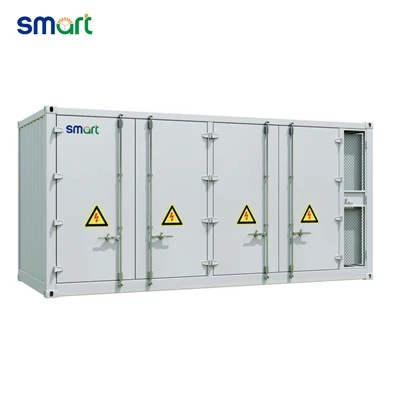
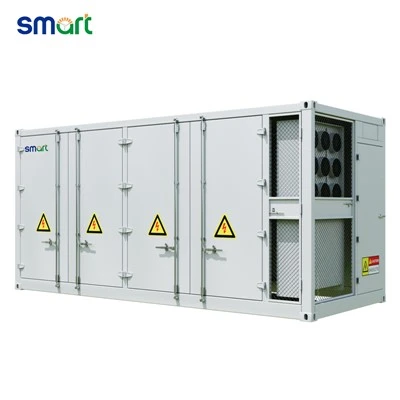
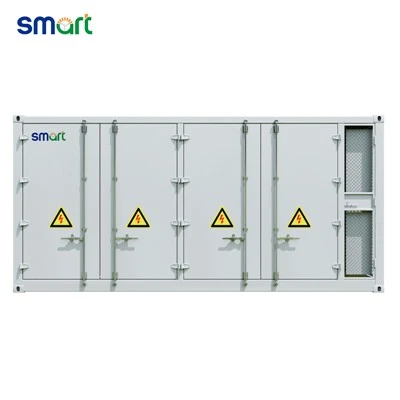
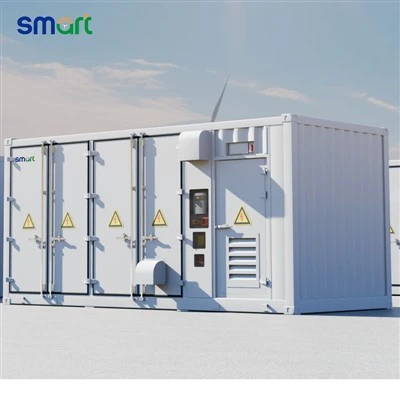
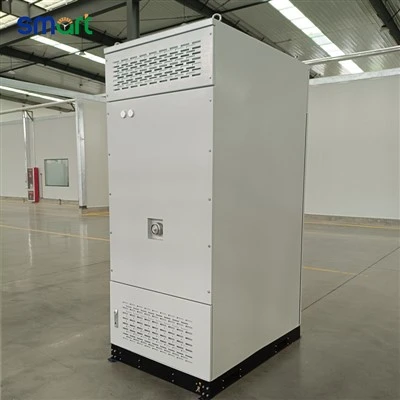
As the share of renewable energy increases and energy storage demand grows, liquid-cooled energy storage systems have become the preferred choice for enterprises and grid operators seeking high safety, stability, and efficient cooling. Understanding their working principle helps buyers make informed decisions in selection and investment.
A liquid-cooled energy storage system consists of battery units, a liquid-cooling system, a battery management system (BMS), an inverter, and a monitoring platform. The core working principle is as follows:
Energy storage occurs in the battery units, which efficiently store electricity through chemical reactions. During charge and discharge, batteries generate heat, which the liquid-cooling system removes by circulating coolant, maintaining optimal operating temperatures, improving efficiency, and extending battery life. The BMS monitors voltage, current, and temperature in real time, adjusting charge and discharge strategies to ensure safe and stable operation. The inverter converts stored direct current into alternating current to meet industrial, commercial, or residential electricity needs. The monitoring platform provides real-time data analysis, fault alerts, and remote management, ensuring efficient and stable system operation.
Through this coordinated operation, liquid-cooled energy storage systems support peak shaving, grid balancing, emergency backup power, and renewable energy integration, providing enterprises with safe, efficient, and reliable energy solutions.