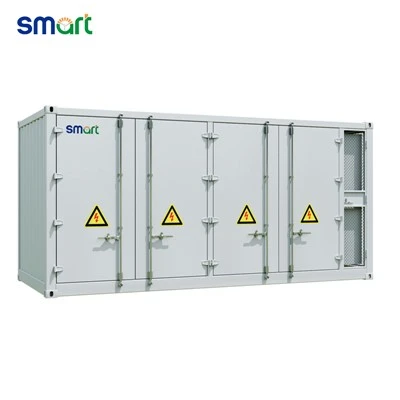
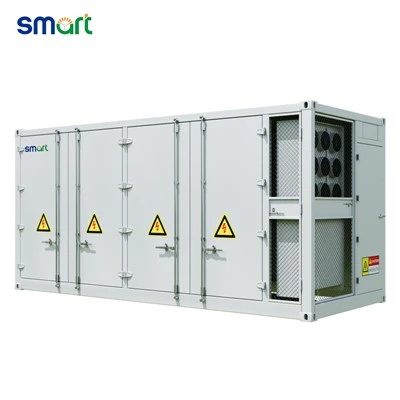
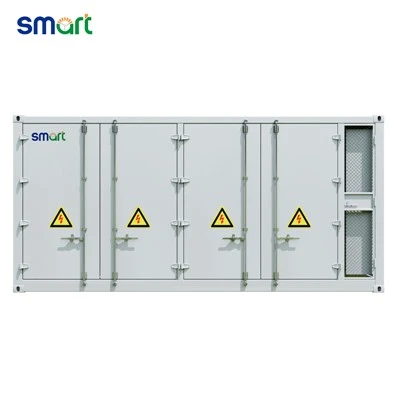
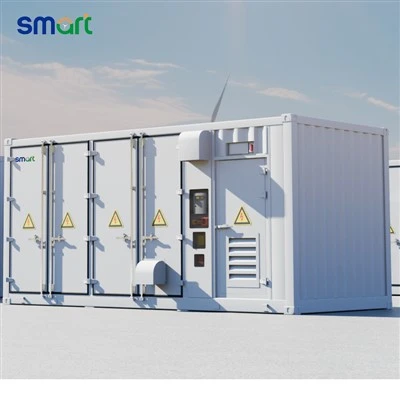
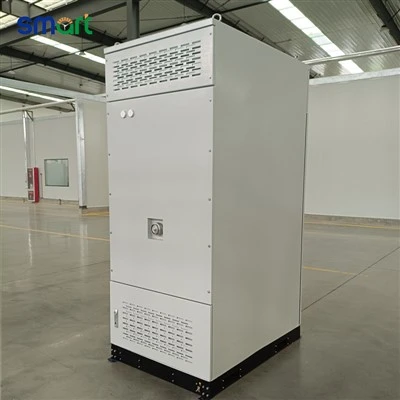
As industrial enterprises demand more stable electricity and optimized energy usage, the industrial-grade 215K energy storage system has become a key solution for ensuring power reliability and reducing operational costs. Understanding its working principle helps buyers make informed choices and achieve efficient energy management.
The working principle of the industrial-grade 215K energy storage system includes several key processes:
Energy storage: The system stores electricity in DC battery units, charging during low electricity price periods or when renewable energy is abundant, creating reserves for peak electricity demand.
Energy release: During peak loads or power interruptions, the storage system converts DC electricity into AC via inverters to supply industrial equipment and commercial loads, ensuring stable electricity.
Intelligent management control: Equipped with a battery management system (BMS) and energy management platform, the system monitors battery status, voltage, current, and temperature in real time, optimizing charge-discharge strategies to improve efficiency and extend battery life.
Safety mechanisms: The system incorporates temperature control, overcharge and overdischarge protection, short-circuit and leakage protection, ensuring safe and reliable operation.
Cooling and environmental adaptation: Depending on the system type, air-cooling or liquid-cooling designs maintain batteries within optimal temperature ranges, enhancing stability and lifespan.
Through these processes, the industrial-grade 215K energy storage system achieves efficient energy scheduling, smooths load fluctuations, reduces electricity costs, and improves the reliability of industrial power usage.