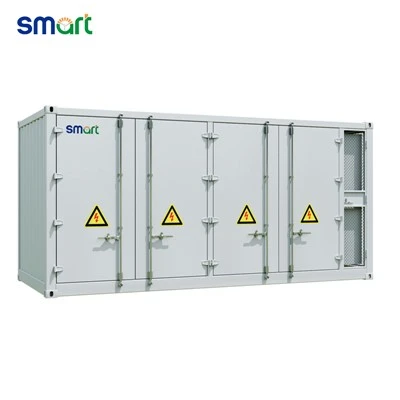
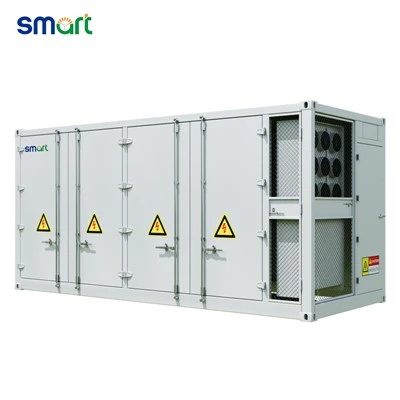
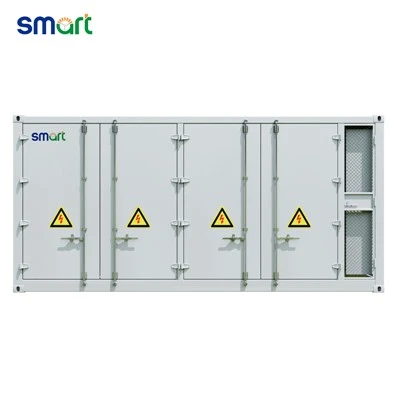
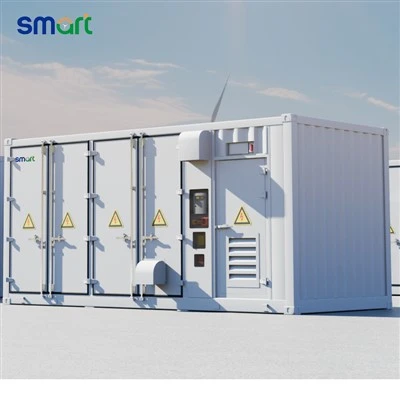
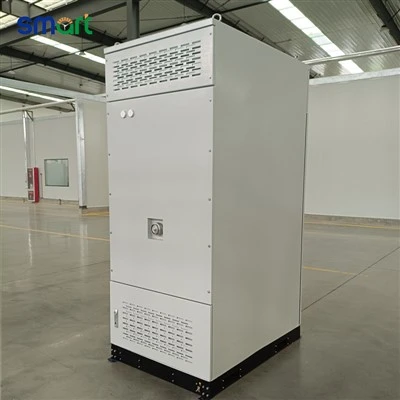
With the rapid growth of renewable energy and distributed power, outdoor energy storage systems have become a key tool for enterprises seeking greater energy flexibility and reliability. Understanding their definition provides essential guidance for buyers in selection, investment, and operation.
An outdoor energy storage system refers to an energy device installed outdoors that can store electricity and efficiently manage its distribution through intelligent control. It typically consists of battery units, a battery management system (BMS), an inverter, and a monitoring platform, offering functions such as energy storage, discharge, power scheduling, and remote monitoring. Compared to traditional storage devices, outdoor energy storage systems emphasize weather resistance, modularity, intelligence, and safety, ensuring stable operation in challenging environments.
These systems provide reliable power to industrial parks, remote locations, and outdoor construction sites, while also supporting grid peak shaving, emergency backup, and renewable energy integration. Buyers should focus on system capacity, weather resistance, intelligent management capabilities, and ease of installation and maintenance to maximize investment value.