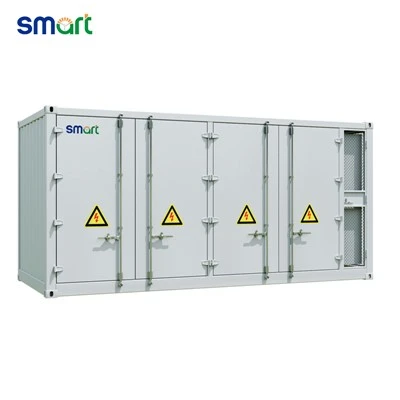
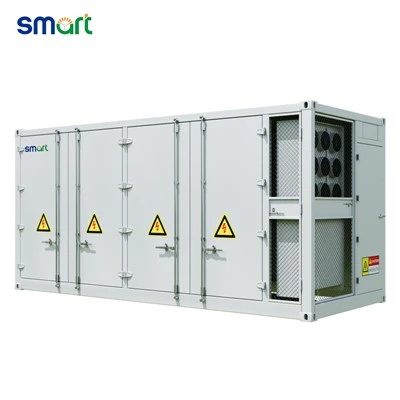
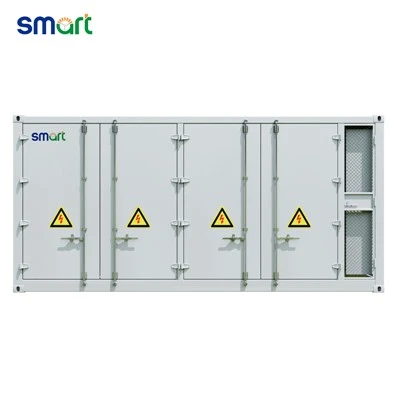
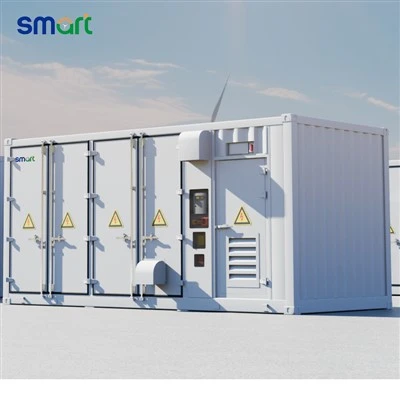
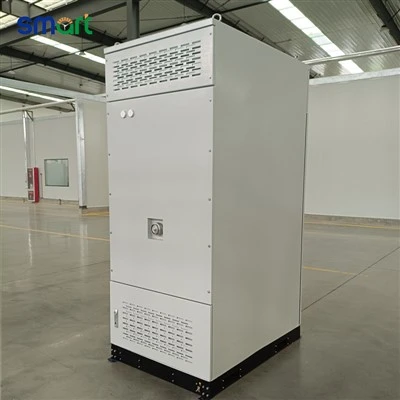
With the growth of renewable energy and distributed storage demand, containerized battery energy storage systems have become an ideal choice for enterprises, grid operators, and large facilities due to their modular design, easy transport, and high safety.
The basic features of containerized battery energy storage systems include:
Modular container design: Standard containers integrate battery units, inverters, and management systems in a single space, facilitating transportation, rapid deployment, and capacity expansion.
Efficient cooling system: Depending on requirements, air-cooling or liquid-cooling solutions maintain batteries within optimal temperature ranges, enhancing charge-discharge efficiency and extending battery life.
Intelligent management system: Equipped with a battery management system (BMS) and monitoring platform, the system enables battery status monitoring, optimized charge-discharge strategies, fault alerts, and remote operation management.
High safety design: Multiple safety protections, including temperature control, overcharge and overdischarge protection, short-circuit safeguards, and fire warning devices, ensure reliable operation.
Strong environmental adaptability: Containerized energy storage systems can operate under various climates and installation conditions, suitable for factories, solar or wind farms, commercial buildings, and emergency backup power applications.
When selecting a containerized energy storage system, buyers should focus on modular scalability, cooling efficiency, intelligent management capabilities, and safety to ensure efficient, reliable, and long-term stable performance in real-world operations.